 Greek (el-GR)
 English (United Kingdom)

Bleaching occurs when corals, under the pressure of high temperatures, expel the symbiotic microorganisms (algae) that provide them with energy. Without them, corals starve and eventually die, turning once vibrant reefs into white, dead landscapes. Scientists are sounding the alarm, as since the beginning of 2023 we have been facing a fourth global bleaching event, which is expected to be even more catastrophic, as ecosystems do not have enough time to recover between crises.
The importance of coral reefs is fundamental. Although they cover less than 1% of the seafloor, they host 25% of all marine life and protect coasts from erosion. Their collapse would mean an incalculable loss for the food chain and the economy of coastal nations. In the Mediterranean, although the species differ, the rise in water temperatures causes similar phenomena of thermal stress in marine organisms, reminding us that the problem is global and affects us all.
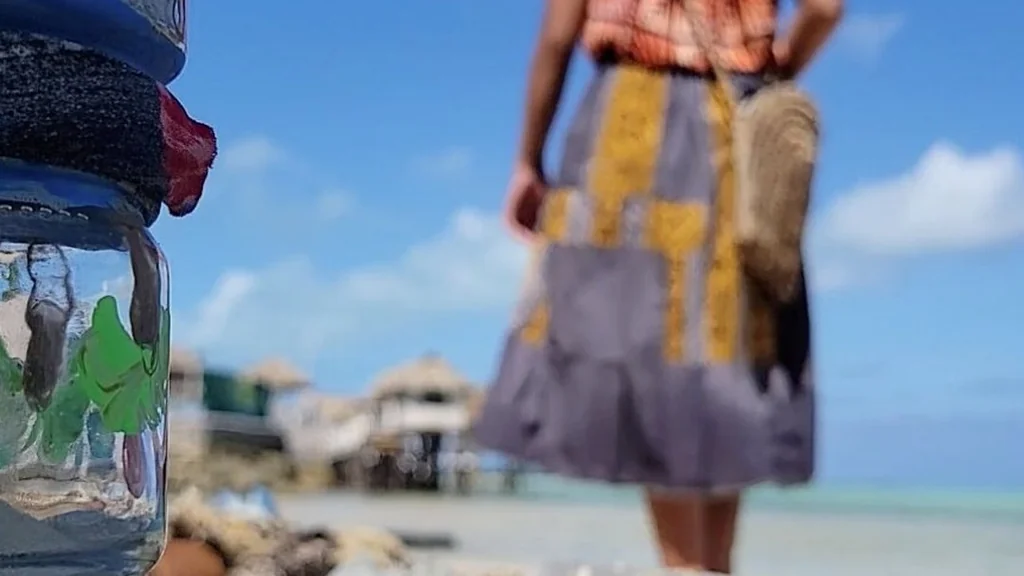
Through the creator's lens, the viewer connects emotionally with the problem, understanding that behind the numbers and bleaching percentages there are human lives and unique cultures at risk of being lost. The film serves as an urgent call to action, showing that the decisions made today will determine whether the tomorrow of these communities will continue to exist.
Cinema has the power to transform scientific information into an experience. At the EcoFrames Festival, we believe that information through art is the first step toward awareness and change. Protecting our oceans is not an option, but a prerequisite for the future of the planet.
Additional Context
Research led by Smithsonian scientists and an international team confirms that the 2014-2017 marine heatwave impacted 51% of the planet's coral reefs. This three-year event is now recognized as the worst coral bleaching episode ever recorded, though current data suggests it is already being eclipsed by a new series of even more devastating heatwaves.
The scale of the damage is part of a broader, long-term decline in marine health. Over the past 30 years, approximately 50% of the world's corals have been lost. Scientific experts emphasize that the increasing frequency of these thermal events is the primary threat, as reefs are no longer afforded the necessary time to recover properly before the next bleaching cycle begins.
While the 2014-2017 period set a record for the extent of significant damage, the ongoing global bleaching event is expected to be more severe. These ecosystems are vital for marine biodiversity, yet they face continuous pressure from record-setting ocean temperatures that threaten their long-term survival.
Source: thedigitalcourier.com
