 Greek (el-GR)
 English (United Kingdom)

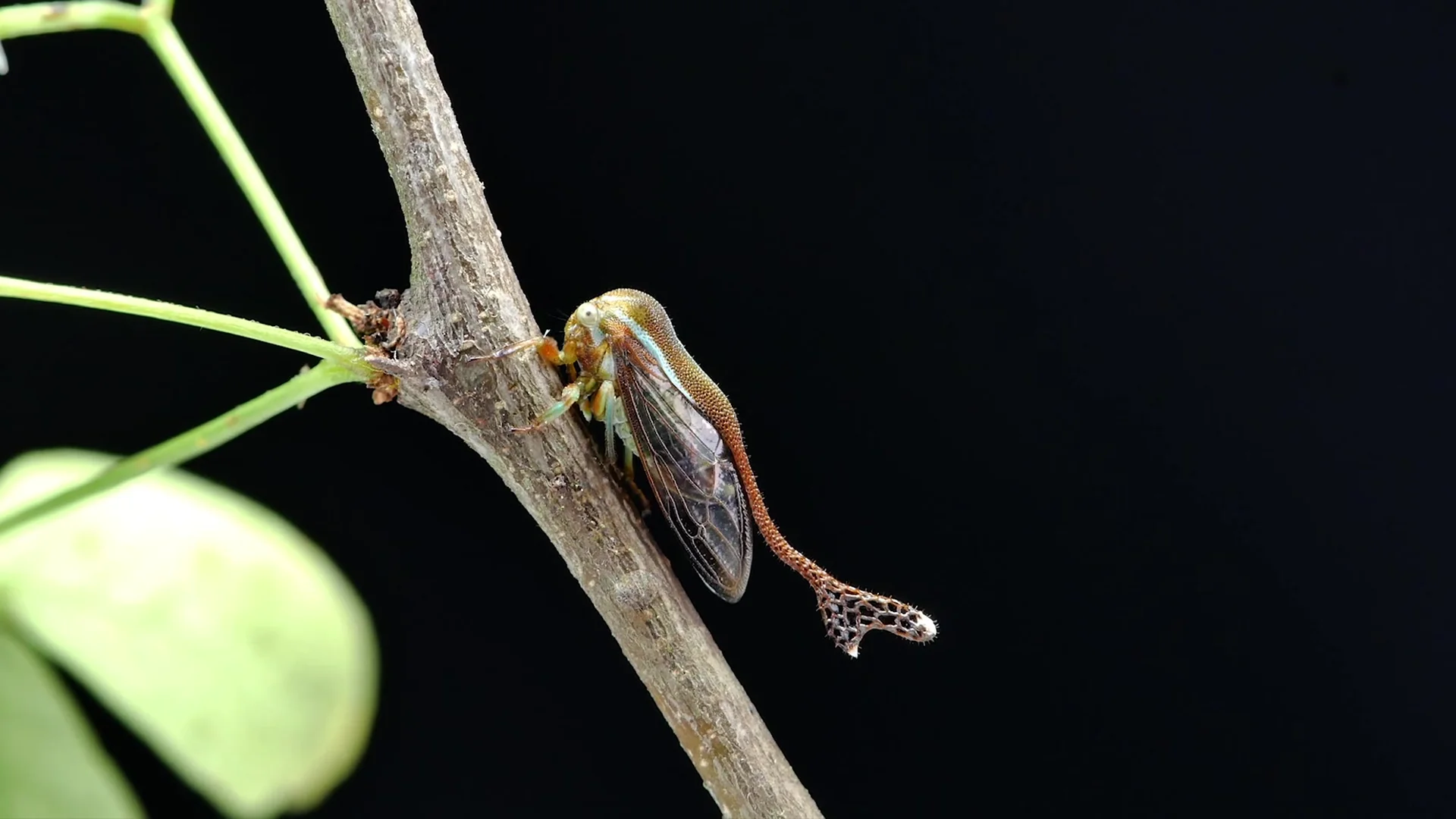
According to a report by ScienceDaily, a comprehensive study involving over 2,000 insect species indicates that these organisms are far less capable of handling rising global temperatures than previously assumed. Researchers suggest that the thermal tolerance of many insects is being pushed to its absolute limit. The findings imply that the rapid pace of global warming may be outstripping the natural ability of insects to evolve and adapt, potentially leading to a significant decline in biodiversity across the globe.
This research underscores the potential vulnerability of our planet's food security and ecological stability. Insects are essential for pollination and soil health; according to the study, without them, the systems that provide our food would struggle to function. Experts warn that the "thermal safety margins" for these species appear to be shrinking, making the need for climate stabilization more urgent than ever.
By showcasing these creatures, the film provides a visual context for the scientific warnings reported today. While the study suggests the fragility of insects in the face of heat, the film highlights the millions of years of history and specialized design that are curr
Additional Context
Recent data from the Potsdam Institute for Climate Impact Research (PIK) confirms that global warming has significantly accelerated over the past decade. By filtering out short-term natural variables such as volcanic eruptions, solar cycles, and El Niño events, researchers identified a distinct increase in the long-term warming trend starting around 2015. This acceleration intensifies the pressure on ecosystems, as climate cycles like El Niño and La Niña are now synchronizing extreme weather events, including floods and droughts, across different continents.
While global droughts rarely occur simultaneously across the entire planet, the intensification of these climate cycles poses localized risks. Additionally, while the energy consumption of AI is rising, its contribution to global emissions remains relatively small compared to these broader atmospheric shifts. These findings provide a critical backdrop for the shrinking thermal safety margins of insects, as the rapid pace of warming identified by PIK suggests that environmental changes are occurring faster than previously recorded in historical temperature data.
Source: sciencedaily.com
