Greek (el-GR)
 English (United Kingdom)


This week, the global environmental community turns its gaze toward the high altitudes of the Andes, where ancient agricultural wisdom offers a blueprint for survival in an era of climate instability.
Vertical Resilience and the Legacy of the High Andes
As recently reported by fundsforNGOs News, the steep inclines of the Andean mountain range are far more than a geographical challenge; they are the site of one of the world’s most sophisticated systems of sustainable survival. Long before the advent of industrial machinery, indigenous mountain communities mastered the art of verticality. Through the construction of complex terraces and ingenious water management systems, these societies transformed inhospitable peaks into a cornucopia of biodiversity. This ancestral expertise, which remains vital today, focuses on the retention of water and the prevention of soil erosion—two of the most pressing issues facing global food security in the 21st century.
The fundsforNGOs News report highlights that these traditional practices are not merely historical relics but are increasingly recognized as essential tools for climate adaptation. By cultivating a vast array of native crops across different microclimates on a single slope, Andean farmers maintain a genetic bank that ensures resilience against pests and changing weather patterns. This holistic approach to land management treats the mountain not as a resource to be extracted, but as a living entity that requires careful stewardship. As modern agriculture struggles with the limitations of monoculture and chemical dependency, the world is beginning to look back at these ancient "slopes that sustain the world" for guidance on how to feed a growing population without destroying the ecosystem.
Pachamama: A Cinematic Warning Screened at EcoFrames
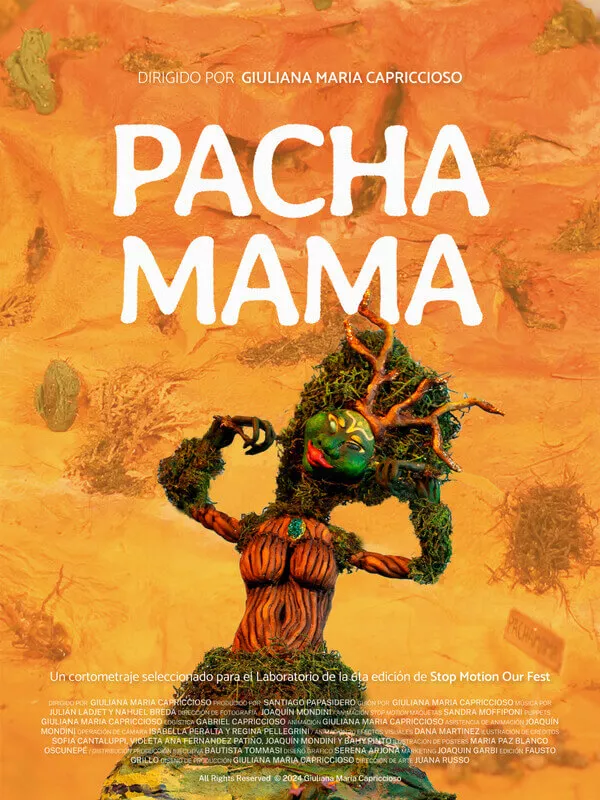
The spiritual and ecological heartbeat of these Andean traditions finds a profound visual voice in Pachamama, a film by Argentinian director Giuliana Maria Capriccioso, which was recently featured in the EcoFrames International Environmental Film Festival in Kalamata. The film serves as a vibrant, artistic tapestry that mirrors the very reality described in the recent news: the delicate dance between human communities and the Earth’s spirit. In the opening sequences, Capriccioso captures the lush, verdant beauty of a world in balance, where offerings of seeds and woven trinkets are not mere superstitions, but symbols of a deep, reciprocal relationship with the land.
However, Pachamama does not shy away from the harsh realities of the present. As the film progresses, the "creeping tide of pollution" mentioned in its synopsis begins to mar the landscape, providing a stark cinematic parallel to the threats facing the Andean slopes today. The transformation of life-giving rivers into toxic, monochrome streams serves as a powerful metaphor for what happens when the ancestral wisdom of stewardship is ignored in favor of industrial exploitation. At the EcoFrames Festival, the film sparked intense dialogue among viewers about the fragility of our environmental harmony. By showing the literal decay of a community as its environment turns "monochrome," Capriccioso forces the audience to confront the consequences of breaking our sacred contract with the Earth.
Reclaiming the Sacred Balance for a Sustainable Future
The convergence of the latest reporting on Andean agriculture and the artistic vision of Pachamama underscores a singular truth: the health of our planet is inextricably linked to our respect for indigenous knowledge. Whether through the physical labor of terracing a mountain or the spiritual act of honoring the Earth's spirit, we must return to a model of sustainability that values longevity over immediate profit. To protect the slopes that sustain us, we must first learn to see the world again in the vibrant hues of the Pachamama.
Source: news.fundsforngos.org